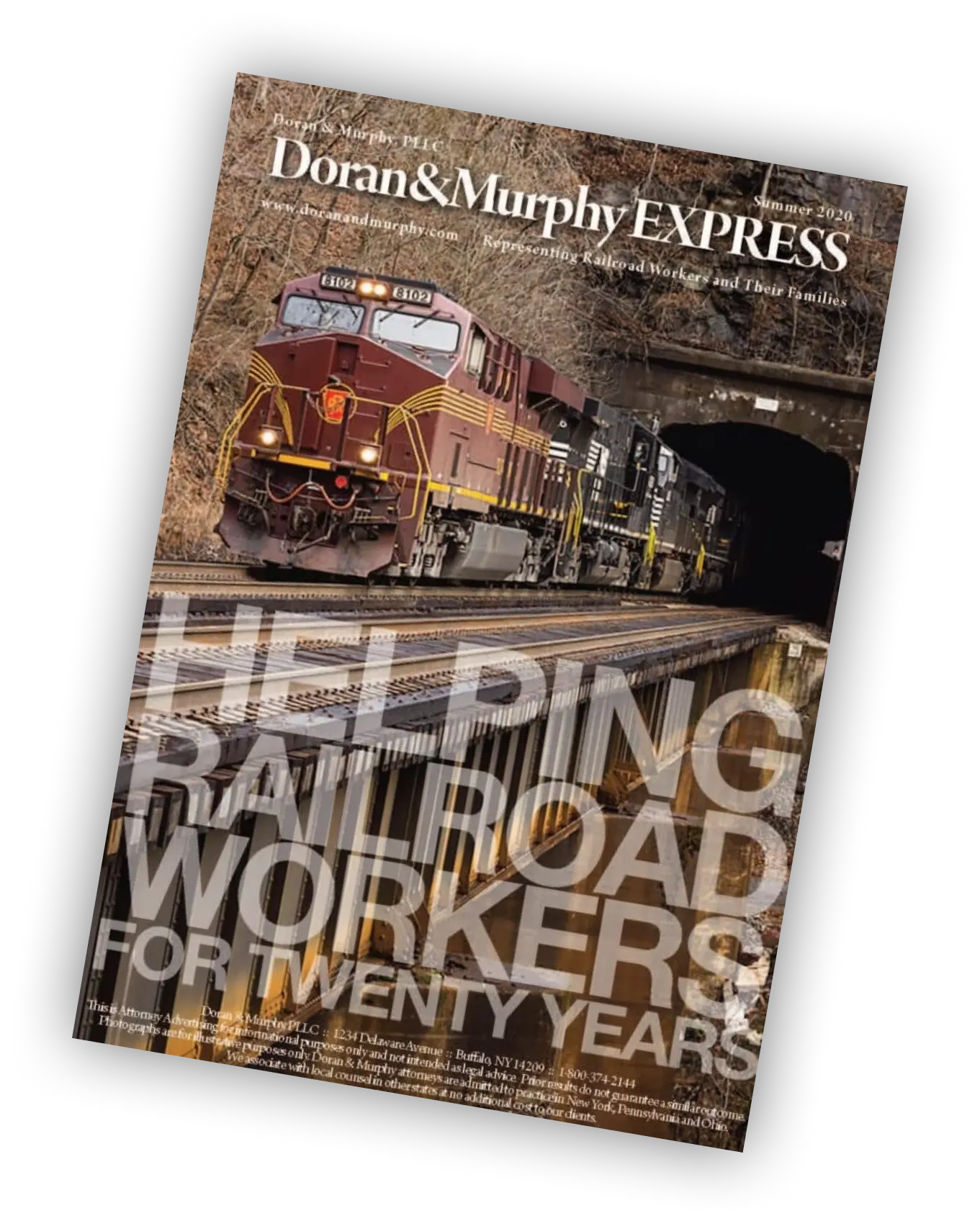
While you may understand that the risk of injury is considerably higher for railroad employees, it’s important to consider that many trains transport a number of materials across the country. In many instances, these substances can be incredibly hazardous and can lead to illnesses for current and past railroad employees. As such, understanding what the Federal Employers’ Liability Act (FELA) deems as a hazardous material is critical. The following blog explores what you should know if you are diagnosed with an illness as a result of exposure to these harmful substances, including the importance of discussing your circumstances with a railroad cancer lawyer to help you
What Are Considered Hazardous Materials Under FELA?
In general, there are a number of substances that can be considered hazardous under FELA. This is because the law seeks to ensure that workers are covered under all circumstances.
Typically, there are three types of hazardous materials: physical, chemical, and biological hazards. Physical hazards refer to any material that can cause bodily injury, like flammable materials, anything that can combust, and even radioactive materials. Chemical hazards include typical materials you may find on the railroad, like silica dusts, solvents, and lead, as these can lead to illness through contact with skin or even inhalation. Finally, biological hazards include anything that can lead to illness or infection, like bacteria or waste.
How Can I Pursue Compensation if I Fall Ill from Exposure?
In the event you fall ill as a result of exposure to hazardous substances while working for a railroad, it’s important to understand your legal options. In most instances, you will be eligible to file a FELA claim to recover the compensation you deserve.
You should note that FELA operates on a comparative fault basis. As such, your employer must be at least partially responsible for the injuries you’ve sustained, and any percentage of fault you share in the accident will reduce your final award.
Under FELA, you have three years from the date of your illness to pursue compensation, regardless of where you live or where the injury happened. This is because FELA is a federal law, meaning it supersedes what your state may mandate. You should note that in some instances, the statute of limitations for illnesses caused by exposure to hazardous materials can change based on when you received your diagnosis. Many illnesses take years to develop, meaning you may have stopped working for the railroad at the time you develop your illness. However, the statute of limitations in these instances will begin on the date that you did or should have discovered your illness.
As you can see, suffering an illness as a result of your employer’s negligent actions can be devastating. However, it’s imperative to hold them accountable and fight for the compensation and justice you deserve. Unfortunately, FELA claims can be incredibly difficult to navigate, which is why working with an experienced FELA attorney with Doran & Murphy is critical. When you need help, our firm is here. Contact us today to learn more.